Bursa Mustafakemalpaşa E-Max Veneers: A Guide to Maximum Light Transmittance and Natural Aesthetics
In aesthetic dentistry, the most successful restoration is one that does not appear artificial from the outside and presents a flawless harmony with natural tooth enamel. In previous years, metal-supported porcelain veneers were widely used in the treatment of missing teeth or shape deformities. However, the gray metal alloys on the inner surface of these traditional veneers block the light falling on them, causing the teeth to take on a dull, chalk-like appearance. Moreover, dark shading at the gum line and tissue reactions related to metal sensitivity may occur over time.
Today, thanks to advances in glass-ceramic engineering, materials that replicate the transparency and brightness of natural teeth without the need for a metal framework have come to the forefront. Bursa Mustafakemalpaşa E-Max veneers treatments performed in clinics in the Mustafakemalpaşa district, which hosts Bursa's advanced healthcare infrastructure and modern digital dentistry systems, offer top-level aesthetic results especially in front-tooth smile design. In this comprehensive clinical guide, we will examine the optical and biological properties of lithium disilicate ceramic, its differences from other veneer types, and all medical details of the treatment process.
What Is E-Max Veneers? The Optical and Biological Advantages of Lithium Disilicate Ceramic
E-Max veneers are full ceramic dental restorations produced from one-piece (monolithic) blocks of "lithium disilicate glass ceramic" using computer-aided systems, with no metal or other framework material inside. Shaped by pressing under high pressure or milled in precision cutting devices, this material is one of the most prestigious applications in aesthetic dentistry.
Light Transmittance (Translucency) That Mimics Natural Tooth Enamel
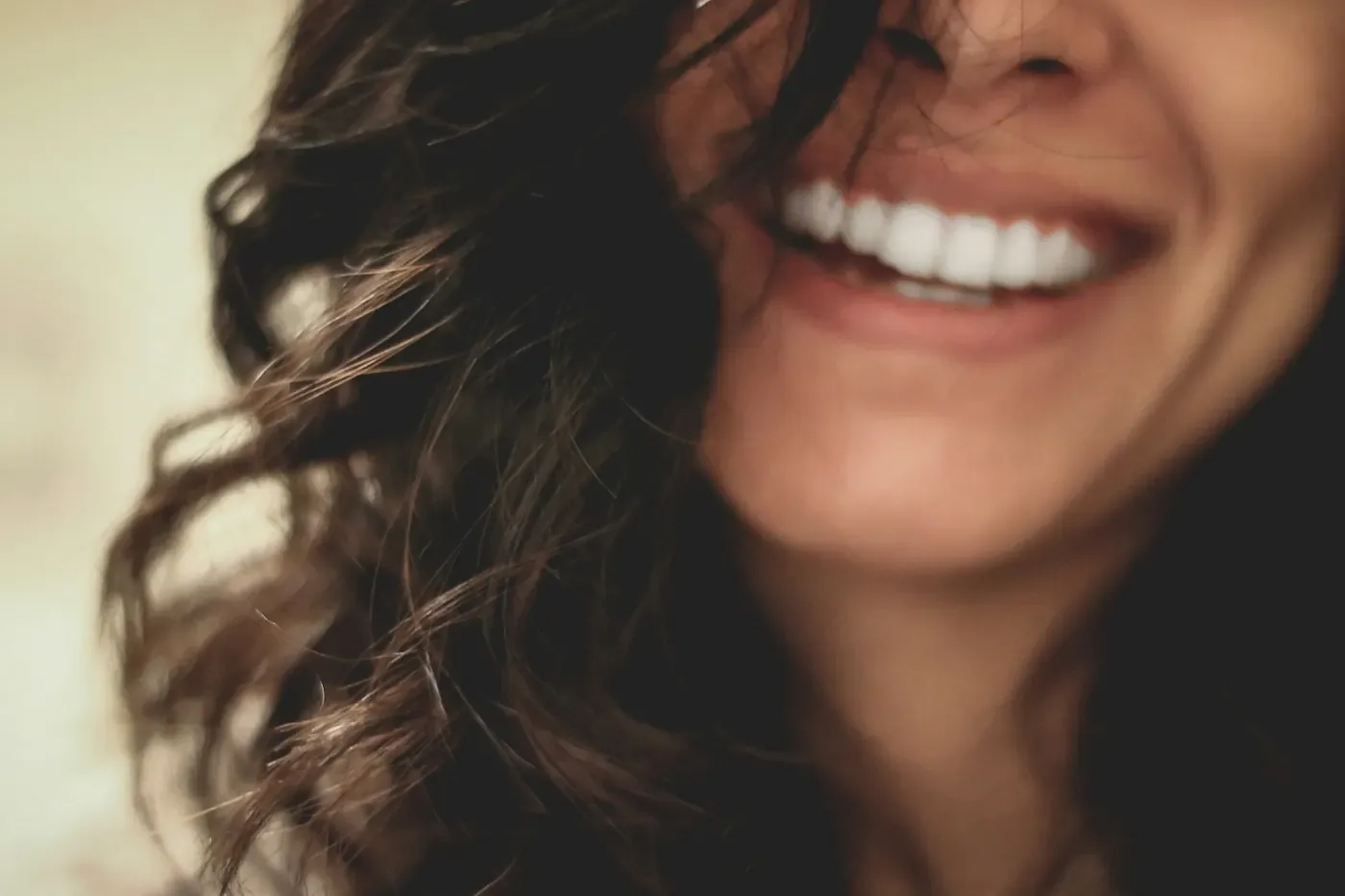
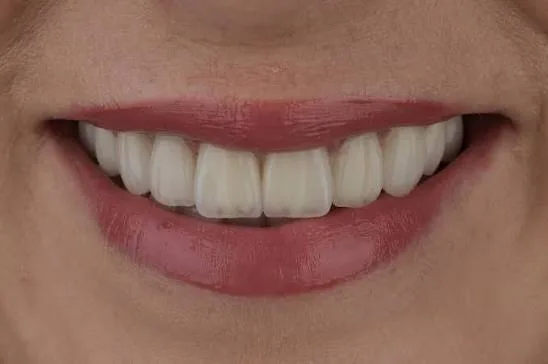
The enamel layer of a natural tooth is translucent; instead of fully reflecting incoming daylight, it lets part of it pass to the deeper layers, creating a sense of depth and vitality. Thanks to their crystalline structure, lithium disilicate glass ceramics have light refraction and transmittance values closest to those of natural tooth enamel. With this feature, the veneered teeth are indistinguishable from your natural teeth in sunlight, indoors, or under camera flash.
Metal-Free Structure and Biological Compatibility with Gum Tissue
E-Max restorations have a structure that is 100% compatible with human tissue (biocompatible) and hypoallergenic. They can be safely used even in individuals allergic to metal alloys such as nickel or chromium. The extremely smooth and polished surface of glass ceramic minimizes plaque and tartar accumulation. The gum tissue adapts healthily to the veneer margins; even if physiological gum recession occurs in later years, no gray metal line appears underneath. In addition, because they are bonded with special adhesive systems that chemically integrate with tooth structure, the risk of marginal leakage and secondary decay is extremely low.
In Which Cases Are Bursa Mustafakemalpaşa E-Max Veneers Used?
This method, preferred in cases where maximum aesthetic expectation is at the forefront, stands out with its minimally invasive (tooth-preserving) approach. The main situations and clinical limits in which clinicians refer to the Bursa Mustafakemalpaşa E-Max veneers protocol during clinical examinations are as follows:
Front-Teeth Smile Design, Discolorations, and Shape Irregularities
- Advanced Discoloration: For permanently brightening antibiotic (tetracycline) stains, fluorosis, or darkened front teeth after root canal treatment that do not respond to professional teeth whitening (bleaching) methods.
- Broken and Worn Teeth: For restoring teeth with fractured edges due to trauma or enamel worn down by acid erosion to their natural form.
- Tooth Gaps (Diastema) and Mild Crowding: For closing gaps between front teeth and aesthetically aligning mild positional irregularities in adult patients who do not want orthodontic wire treatment.
- Replacement of Old, Ill-Fitting Veneers: For replacing old metal-supported porcelain restorations that have caused graying at the gum margin and lost color harmony with natural ceramics.
In Which Cases Are E-Max Veneers Not Preferred? (Clinical Limits)
Every restorative material has a biomechanical durability limit. Lithium disilicate glass ceramics have a flexural strength of approximately 360 to 400 MPa; this is more than sufficient for single front-tooth veneers, inlay/onlay restorations, and short bridges (3-unit) extending at most to the premolars.
However, in bridge prostheses for long edentulous spans in posterior molars, where high chewing forces are concentrated, or in patients with untreated severe teeth grinding (bruxism), glass ceramics may carry a risk of fracture. In such cases requiring high mechanical load, clinicians recommend the Zirconium Dental Veneer alternative, which has higher strength.
Comparison of E-Max Veneers, Zirconium, and Porcelain Laminate Veneers
When planning aesthetic treatment, the issue patients most often wonder about is how E-Max veneers differ from zirconium and porcelain laminate veneers. The correct material selection is determined according to the tooth's position in the mouth, existing tissue loss, and occlusal relationship.
Choosing the Right Restoration According to Aesthetic Expectation and Chewing Resistance
If the tooth structure is completely intact and only a small color or form change is needed on the front surface, Porcelain Laminate applied without touching the back surface of the tooth is preferred. If the tooth has large fillings or old veneers, full ceramic E-Max crowns that encase the tooth all around come into play. In posterior molar regions and with multiple missing teeth, zirconium frameworks offer an advantage.
In the table below, you can compare the clinical features of the basic veneer options used in aesthetic dentistry:
Comparison Criterion | Bursa Mustafakemalpaşa E-Max Veneers | Zirconium Dental Veneer | Porcelain Laminate (Veneer) | Metal-Supported Porcelain |
Material Structure | Full-block Lithium Disilicate glass ceramic | White Zirconium Dioxide ceramic | Thin-layer glass ceramic veneer | Porcelain over gray metal alloy |
Light Transmittance | Excellent (Transparency identical to natural enamel) | Very High (Multilayer natural appearance) | Excellent (Top-level aesthetic effect) | Low (Does not transmit light, appears opaque) |
Amount of Tooth Reduction | Minimal / Controlled (0.8 - 1.2 mm) | Controlled circumferential (1.0 - 1.5 mm) | Very Little (0.3 - 0.5 mm from the front surface) | A lot (1.5 - 2.0 mm reduction required) |
Mechanical Durability | High (Ideal for front teeth and short bridges) | Very High (Safe for posterior molars and long bridges) | Moderate (Applied only to healthy front teeth) | High (But aesthetically disadvantageous) |
Gum Compatibility | Perfect biocompatibility; does not cause graying at the margins | Perfect biocompatibility; gum-friendly | Perfect biocompatibility; does not harm the gums | Causes gum-line discoloration over time |
Treatment Process and Care Recommendations with Digital CAD/CAM Technology
In modern clinical protocols, the restoration process is carried out with millimetric precision using computer-aided design and manufacturing (CAD/CAM) systems that eliminate traditional impression errors.
3D Intraoral Scanning and Treatment Stages
- 1
Clinical Examination and Digital Smile Analysis: In the first session, the dentist evaluates the bite, gum health, and facial features. With photographic records and digital analysis, the tooth length and form most suitable for the patient's character are determined.
- 2
Minimally Invasive Tooth Preparation: The procedure begins completely painlessly under local anesthesia. Thanks to the high strength of E-Max ceramic, a very thin and protective level of tooth reduction (preparation) is performed.
- 3
3D Optical Intraoral Scanning: Instead of classic impression trays that trigger the gag reflex, intraoral optical cameras (Intraoral Scanner) are used, and the three-dimensional digital model of the teeth is transferred to the computer within seconds.
- 4
Temporary Teeth Application and CAD/CAM Production: During the laboratory process, aesthetic temporary veneers are placed in the same session so that the patient does not experience sensitivity. The restorations designed in the digital environment are produced on precision milling devices and colored in special furnaces.
- 5
Intraoral Try-In and Adhesive Cementation: E-Max veneers whose color harmony and bite height are approved in the intraoral try-in are permanently bonded with special resin cements that chemically bond to tooth enamel. The entire process is usually completed within 4 ila 7 gün (2-3 seans).
Daily Care Rules That Extend the Lifespan of E-Max Veneers
Lithium disilicate veneers applied with proper occlusal balance retain their original shine for 15 yıl ve üzeri with regular oral care. The following habits are very important to maintain the health of the restorations:
- Teeth should be brushed regularly at least twice a day with non-abrasive toothpastes and soft or medium-bristled brushes.
- To prevent plaque accumulation at the veneer interfaces and the gum line, dental floss or an oral irrigator (water flosser) should be used every evening.
- Excessive point trauma should be avoided, such as cracking walnuts or hazelnuts with the front teeth, biting pens, or opening packages.
- Individuals with a nighttime teeth-grinding (bruxism) habit must use a custom-made night guard (occlusal splint) under dentist supervision to protect the glass-ceramic restorations from excessive clenching forces.
- A regular dental check-up should be performed every 6 months for professional maintenance and polishing.
Conclusion: An Aesthetic Solution for a Natural and Confident Smile
You do not have to hide your smile or settle for artificial-looking veneers because of discoloration, fractures, or shape asymmetries in your front teeth. The unique light transmittance and biological compatibility of lithium disilicate glass ceramic make it possible to achieve aesthetically flawless results while respecting natural tooth structure.
Applied by experienced dentists in the field through three-dimensional digital planning, Bursa Mustafakemalpaşa E-Max veneers treatments give you both healthy function and a lively smile that blends with your facial features. Do not delay making an appointment for a clinical examination with specialist dentists to assess whether your teeth are suitable for E-Max restorations.
This article is for general information; consult your dentist for decisions about your oral and dental health.