Gum Treatment in Bursa: A Scientific Guide for Healthy Gums and Lasting Teeth
The foundation of a healthy smile and a strong chewing system is formed not only by cavity-free teeth, but also by the gum tissues that keep these teeth fixed within the jawbone. Data from the World Health Organization (WHO) and the European Federation of Periodontology (EFP) show that the most common cause of tooth loss in adults is untreated gum disease. Even a sound tooth begins to loosen and eventually has to be extracted when it loses the support of the surrounding gums and jawbone.
At the same time, gum problems usually progress silently in the early stages without causing severe pain. Mild bleeding noticed during brushing is often ignored; however, this is the first sign of an underlying chronic infection. The gum treatment in Bursa protocols applied in clinics hosting Bursa's advanced dental infrastructure and expert physicians help protect natural teeth by stopping inflammation at an early stage. In this comprehensive guide, we will examine the causes of gum disease, current clinical treatment methods, and all medical details of gum treatment in Bursa processes.
Why Do Gum Diseases Occur and How Do They Progress?
The main cause of gum disease is the colorless, sticky bacterial layer that accumulates on tooth surfaces and along the gum line. This microbial plaque, which is not removed regularly due to inadequate oral care, quickly triggers a defensive response in gum tissue.
Microbial Dental Plaque, Tartar, and the Inflammation Process
Bacteria in the mouth attach to the tooth surface by using food debris. If the plaque layer is not removed by brushing within 48 to 72 hours, it hardens by combining with calcium and phosphate minerals in saliva. Tartar, known among the public as "tartar," creates a surface that allows more bacteria to adhere. Therefore, these deposits, which cannot be removed with a toothbrush, become a constant source of irritation and infection in the gums.
Transition of Gum Inflammation (Gingivitis) to Periodontitis
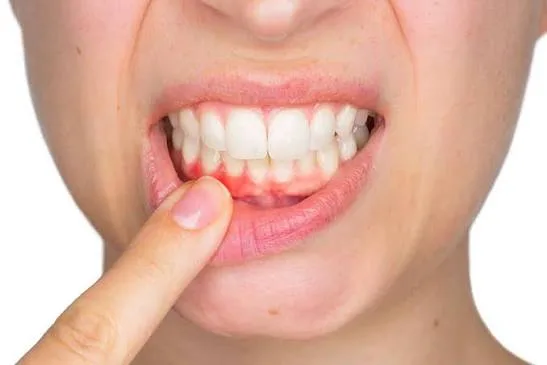
Gum problems develop in two main clinical stages. In the first stage, gingivitis, the infection is limited only to the soft gum tissue. The gums become red, swollen, and bleed easily when touched; however, there is no bone loss yet in the jawbone that supports the teeth. Gingivitis can be completely resolved with a timely gum treatment in Bursa intervention.
However, if treatment is delayed, the inflammation moves below the gum line and turns into periodontitis. At this stage, the groove between the tooth and the gum deepens, and bacterial nests called "periodontal pockets" form. The toxins released by bacteria begin to erode the fibers surrounding the tooth root and the jawbone. As a result, the gums recede, root surfaces become exposed, and teeth are lost due to loosening.
Early Warning Signs That Should Not Be Ignored
A healthy gum is light pink, has an orange-peel appearance, and wraps tightly around the teeth. If you notice even one of the following signs, you need to get an gum treatment in Bursa evaluation without delay:
- Bleeding in the gums while brushing, flossing, or biting into a hard apple.
- The gums taking on a bright red, purplish, and edematous appearance.
- Gum recession and the teeth appearing longer than before.
- Sudden tooth sensitivity to cold and hot drinks.
- Discharge of pus from between the tooth and the gum and persistent bad breath (halitosis).
- Teeth becoming loose, shifting, or a disturbed biting sensation during chewing.
Methods Used Within the Scope of Gum Treatment in Bursa
Every patient's tartar density, gum pocket depth, and level of bone loss are different. For this reason, a qualified gum treatment in Bursa approach involves stepwise clinical planning according to the stage of the disease.
Professional Scaling and Polishing
In early-stage gum inflammation and preventive oral care, the first step is professional surface cleaning. In the scaling procedure, the physician uses high-frequency ultrasonic vibration devices and special hand instruments to remove all tartar without damaging the tooth enamel. The subsequent polishing procedure removes microscopic roughness on the tooth surface and eliminates tea and coffee stains. Once the enamel becomes smoother, new plaque finds it harder to adhere.
Deep Gum Cleaning (Subgingival Curettage)
When the infection progresses below the gum and creates pockets exceeding 4-5 millimeters, standard surface cleaning is not enough. In this case, subgingival curettage (root planing) comes into play. Performed completely painlessly under local anesthesia, this procedure involves the physician cleaning inflamed tissues inside the gum pocket and toxins attached to the root surface using special micro-curettes. The cleaned and smoothed root surface allows the gum tissue to reattach in a healthy way.
Gum Recession Repair, Flap Surgery, and Laser-Assisted Applications
In chronic cases with advanced bone loss, surgical periodontal methods are used. During flap surgery, the physician gently lifts the gum to directly access deep bone defects, cleans infected tissues, and, if necessary, supports resorbed bone areas with bone graft (bone powder).
On the other hand, in gum recession cases that create aesthetic concerns and root sensitivity, exposed root surfaces are biologically covered with connective tissue graft applications. In addition, clinics offering up-to-date gum treatment in Bursa use soft tissue lasers. Laser energy sterilizes bacteria in periodontal pockets at a high rate, reduces bleeding, and speeds up tissue healing.
In the table below, you can review a comparison of the main clinical methods applied within the scope of gum treatment in Bursa:
Treatment Method | Targeted Clinical Issue | Application Method and Comfort | Healing and Effect Process |
Scaling and Polishing | Tooth surface plaque, tartar, and gingivitis | Ultrasonic cleaning without anesthesia (30-45 min) | Gum bleeding stops within a few days |
Subgingival Curettage | Pockets under the gums and root surface toxins | Painless deep cleaning under local anesthesia | Within 1 - 2 weeks, gum tissue firmly attaches to the tooth |
Flap Surgery and Graft | Advanced periodontitis and deep jawbone resorption | Inflammation removal and bone repair with microsurgical technique | 2 - 3 weeks of tissue healing, periodic bone follow-up |
Connective Tissue Graft | Advanced gum recession and root surface exposure | Covering the root surface with tissue taken from the palate | The recession line closes and cold-hot sensitivity passes |
Laser-Assisted Treatment | Pocket sterilization and gum level irregularities | Suture-free, bloodless soft tissue laser application | Rapid tissue regeneration and minimal edema |
Treatment Process, Relationship with Systemic Health, and Home Care Rules
Intraoral tissues are not independent of the body's general circulatory system. For this reason, controlling gum disease not only saves teeth; it also protects overall body health.
The Link Between Gum Health and Diabetes and Heart Disease
Scientific studies show that chronic periodontal inflammation in the mouth releases bacteria and inflammatory mediators into the bloodstream. There is a direct two-way relationship between diabetes and periodontitis in particular. Uncontrolled diabetes accelerates gum destruction, while untreated gum infections also increase insulin resistance and disrupt blood sugar balance. In addition, there are strong clinical links between chronic gum infections and cardiovascular diseases as well as the risk of premature birth during pregnancy.
Clinical Examination and Treatment Stages
A successful gum treatment in Bursa process follows scientific steps tailored to the patient's oral structure:
- 1
Periodontal Measurement and Radiographic Analysis: During the first examination, the physician records the pocket depth around each tooth and bleeding points using a millimeter-scale measuring device called a "periodontal probe." The level of the jawbone is examined with panoramic X-rays or, when necessary, 3D dental tomography.
- 2
Hygiene Education and Personal Care Planning: For the treatment to be lasting, the patient is practically shown the brushing technique appropriate for their dental alignment, as well as the use of dental floss and interdental brushes.
- 3
Active Clinical Treatment Phase: Depending on the severity of the disease, scaling, subgingival curettage, or necessary surgical procedures are completed with the comfort of local anesthesia.
- 4
Maintenance and Periodic Checkups: After active treatment is completed, tissue healing is evaluated and a 3 to 6-month follow-up schedule is established to prevent recurrence of the disease.
Care Recommendations That Prevent Recurrence After Treatment
Periodontal diseases are conditions with chronic predisposition; if daily oral care is neglected after treatment, inflammation may redevelop. To preserve the healthy structure achieved for life, the following rules should be observed:
- Teeth should be brushed at least twice a day with soft or medium-bristled brushes that do not harm the gums, using a sweeping motion from the gums toward the teeth.
- A toothbrush can reach only 60% of the spaces between teeth; therefore, for the remaining 40% interproximal area, dental floss or an interdental brush in the size recommended by the physician should be used every evening.
- Smoking constricts the blood vessels in the gums, masking the sign of bleeding and reducing the healing response to treatment by half; tobacco products should be strictly avoided during the healing period.
- Tongue-cleaning devices should be used to remove bacteria accumulating on the tongue surface, and antiseptic mouthwashes should be used for the period recommended by the physician.
Conclusion: Secure Your Natural Teeth with Early Intervention
Gum bleeding should never be considered normal; it is an important warning signal from your body against infection in the mouth. Gum problems diagnosed at an early stage heal completely with painless, short procedures, while delayed cases lead to jawbone resorption and the loss of healthy teeth.
Applied with scientific diagnostic criteria, ultrasonic cleaning devices, and laser technologies, gum treatment in Bursa protocols restore your gums to a healthy and firm structure. Do not delay protecting your oral health by making a clinical examination appointment with specialist dentists before your teeth become loose or advanced recession develops.
Legal Notice and Information
This content has been prepared solely to scientifically inform patients and the public about gum diseases and treatment methods, in full compliance with the provisions of Law No. 1219 on the Practice of Medicine and Its Branches and the Regulation on Promotion and Information Activities in Health Services of the Ministry of Health. The information contained herein does not include a definitive diagnosis, commercial advertising, or "guaranteed results" for any disease. To medically evaluate your gum health and jawbone level, you must consult a specialist dentist and undergo an in-person clinical and radiographic examination.
The Floor Is Yours! Do you sometimes notice bleeding in your gums while brushing your teeth, or do you experience cold-hot sensitivity due to gum recession? Do you have the habit of using dental floss or an interdental brush alongside your toothbrush in your daily care routine? Share any questions you have about gum treatment in Bursa processes, scaling, or curettage in the comments below, and let our specialist physicians answer them with great care!
This article is for general information; consult your dentist for decisions about your oral and dental health.